
Satwa Roundabout Dubai
Directions, Maps, Bus Routes, History, Places to Visit & Everything You Need to Know
- Directions to Satwa Roundabout
- Maps & Navigation Apps
- Video Guide
- Bus Stops & Routes
- Bus Timings & Frequency
- Places Nearby
- Satwa District Overview
- History & Timeline
- Location & Road Connectivity
- Multicultural Community
- Food Culture
- Shopping & Local Business
- Street Art & Murals
- Transportation & Accessibility
- Residential Life
- Urban Development
- Why It Remains Important
- FAQ
Satwa Roundabout Dubai is one of the most historically significant and culturally vibrant landmarks in the heart of Dubai. Situated in the Satwa district — one of the oldest residential and commercial areas of the emirate — this roundabout has served as a central node connecting various parts of the city for decades. Whether you’re a long-time resident, a new expat, or a tourist exploring Dubai’s authentic side, Satwa Roundabout offers a unique window into the city’s layered identity: traditional yet evolving, multicultural yet cohesive, and deeply rooted in the spirit of old Dubai.
In this comprehensive guide, we cover everything about Satwa Roundabout Dubai — from directions and map apps to bus routes, nearby attractions, history, food culture, street art, and much more.
🧭 Directions to Satwa Roundabout Dubai
Satwa Roundabout is centrally located and accessible from virtually every major area in Dubai. The roundabout sits at the intersection of Al Wasl Road and 2nd December Street (formerly known as Jumeirah Road), making it a key navigation point in the city’s road network. Below are detailed directions from five major locations.
Satwa Roundabout Dubai on All Maps
Whether you prefer Google Maps, Waze, or any regional mapping platform, Satwa Roundabout is well-documented on all major navigation applications. Here is the live interactive map along with a breakdown of each platform’s features.
Satwa Roundabout Dubai — Video Guide
Get an immersive visual tour of Satwa Roundabout Dubai. This video captures the roundabout’s surroundings, traffic flow, and the authentic atmosphere of this historic Dubai landmark.
Bus Stops Near Satwa Roundabout Dubai
Dubai’s Roads and Transport Authority (RTA) operates a well-structured bus network around Satwa Roundabout. Two dedicated bus stops serve the area, making the roundabout one of the most transit-connected spots in central Dubai. These stops handle thousands of passengers daily, connecting residents and visitors to all major city destinations.
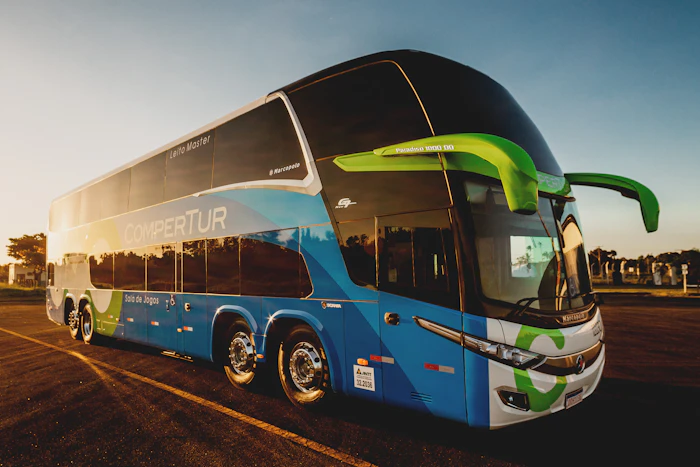
Satwa Roundabout 01 is located on the Al Wasl Road side of the roundabout, serving inbound passengers from Jumeirah, La Mer, and the coastal areas. It is a covered, air-conditioned RTA bus shelter with real-time display boards, USB charging points, and seating for 20+ passengers. The stop is a major interchange for south-to-north bound services and handles significant passenger volumes during peak commuting hours.
Satwa Roundabout 02 is positioned on the 2nd December Street side, serving outbound passengers headed toward Sheikh Zayed Road, Trade Centre, and DIFC. This stop is especially busy in the evening with workers returning from the commercial district. It features a digital arrival board, covered seating, and a nearby convenience store. The stop is strategically positioned near the Satwa Mosque and several supermarkets.
Bus Timings and Frequency
RTA buses serving Satwa Roundabout operate throughout the day and night, with varying frequencies depending on the route and time of day. Below is a reference guide for estimated frequencies.
| Route | First Bus | Last Bus | Peak Frequency | Off-Peak | Status |
|---|---|---|---|---|---|
| Route 8 | 5:30 AM | 11:30 PM | Every 10 min | Every 20 min | Active |
| Route 9 | 6:00 AM | 11:00 PM | Every 15 min | Every 25 min | Active |
| Route 43 | 5:00 AM | 12:00 AM | Every 12 min | Every 20 min | Active |
| Route 88 | 6:30 AM | 10:30 PM | Every 20 min | Every 30 min | Express |
| Route 93 | 6:00 AM | 11:00 PM | Every 15 min | Every 30 min | Active |
| Route X25 | 4:30 AM | 1:00 AM | Every 30 min | Every 60 min | Airport |
| Route C10 | 7:00 AM | 10:00 PM | Every 20 min | Every 40 min | Active |
Total Number of Bus Routes
A total of 8+ RTA bus routes serve Satwa Roundabout and its immediate vicinity. This figure includes direct-stop routes and pass-through services that allow passengers to board and alight near the roundabout. This density of bus service makes Satwa Roundabout one of the top 10 most bus-connected locations in the entire Dubai road network, rivalling major transport hubs like Al Ghubaiba and Union Square.
Why These Bus Stops Are Important
Places Near Satwa Roundabout Dubai
One of the greatest advantages of Satwa Roundabout’s central location is its proximity to a remarkable range of landmarks, from healthcare facilities and parks to cultural sites, beaches, and world-class museums. Here are the most notable places within reach.
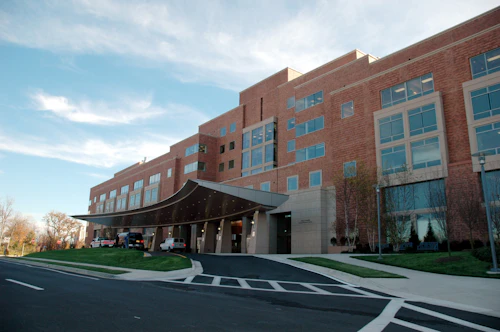
A key healthcare landmark established in 1981 and serving Dubai’s large Iranian community as well as the general public. Known for quality medical care, it is one of the oldest private hospitals near Satwa Roundabout.

A peaceful urban green space offering a welcome respite from the city’s bustle. Satwa Park features shaded walking paths, children’s play areas, and open lawns — popular with residents in the early mornings and evenings.
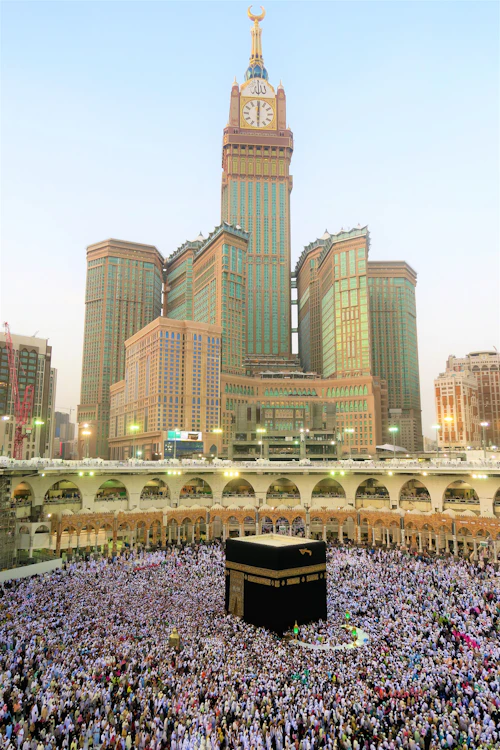
One of Dubai’s most beautiful and photographed mosques, the Jumeirah Mosque is a cultural and religious attraction open to non-Muslim visitors through guided tours. A masterpiece of Fatimid Islamic architecture.
Exploring UAE history, the Etihad Museum chronicles the events leading to the United Arab Emirates’ founding in 1971. Its architecture mirrors the seven parchments of the UAE constitution.

A coastal leisure destination with a beach, street food outlets, boutique shops, and watersports. La Mer is one of Dubai’s most vibrant beachfront lifestyle destinations, easily accessible from Satwa Roundabout.
Satwa District Overview — TripAdvisor Insight
According to TripAdvisor and travel review platforms, the Satwa district consistently receives high marks for its authentic charm, affordable dining, and multicultural atmosphere. Travellers frequently describe Satwa as “the real Dubai” — a neighbourhood that preserves the city’s pre-boom identity while embracing modern amenities.
Travellers on TripAdvisor highlight Satwa’s Ravi Restaurant as one of Dubai’s most iconic dining spots, the area’s famous tailoring shops on Al Diyafah Street, and the lively evening street scene around the roundabout. Many recommend visiting on weekend evenings when the area comes alive with street food vendors and market stalls.
History of the Satwa Area
Satwa is one of Dubai’s oldest established residential communities, with roots stretching back to the mid-20th century. Unlike the glass towers of Downtown Dubai or the planned communities of Jumeirah, Satwa grew organically as Dubai began its transformation from a small pearl-fishing town into a global metropolis. The neighbourhood’s history is deeply intertwined with the waves of migration that shaped the UAE.
Location and Road Connectivity of Satwa Roundabout Dubai
Satwa Roundabout sits at approximately 25.2280°N, 55.2645°E — geographically central within the Dubai mainland. Its strategic position gives it outstanding connectivity to the city’s primary arterial roads:
The Multicultural Community of Satwa
Satwa is arguably the most multicultural square kilometre in all of Dubai. The area around Satwa Roundabout is home to communities from over 40 nationalities, living in a remarkably harmonious coexistence that is both unusual and inspiring in the global context.
The South Asian community — particularly Pakistani, Indian, and Bangladeshi residents — forms the largest demographic group, with mosques, restaurants, grocery stores, and social clubs catering to their cultural needs. The Filipino community has established churches, remittance centres, and Filipino restaurants. Arab residents from Lebanon, Syria, Egypt, and Yemen maintain a strong presence, particularly in the food and retail sector. The Iranian community, one of the oldest in the area, maintains cultural ties through the Iranian Hospital and cultural associations.
This cultural mosaic creates a neighbourhood where it is possible to eat Pakistani biryani for lunch, Lebanese manakish for dinner, and Filipino adobo for breakfast — all within a 500-metre radius of the roundabout. Religious institutions of multiple faiths operate in close proximity, a testament to Dubai’s ethos of peaceful coexistence.
Food Culture Around Satwa Roundabout Dubai
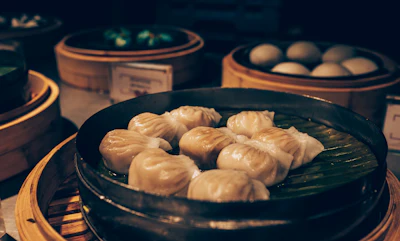
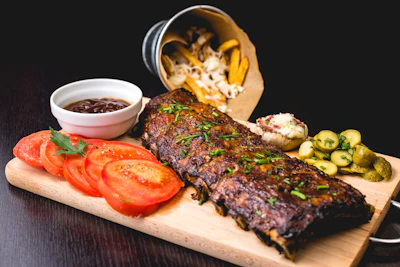
Satwa is widely regarded as Dubai’s most exciting and affordable food destination. The streets around Satwa Roundabout are lined with restaurants, street food stalls, bakeries, and juice bars representing cuisines from across Asia, the Middle East, and Africa. This is not tourist food — it is the real, authentic, daily dining culture of Dubai’s working population.




Shopping and Local Businesses
Satwa Roundabout sits at the heart of one of Dubai’s most vibrant local shopping corridors. Unlike the polished malls of Downtown, shopping in Satwa is an immersive, tactile experience where bargaining is welcomed, tailors measure on-the-spot, and shopkeepers know their regular customers by name.
Street Art and Creative Murals
In recent years, Satwa has emerged as one of Dubai’s most exciting street art destinations. The neighbourhood’s dense urban fabric — with its low-rise buildings, wide walls, and pedestrian-friendly streets — provided the perfect canvas for a flourishing mural culture.

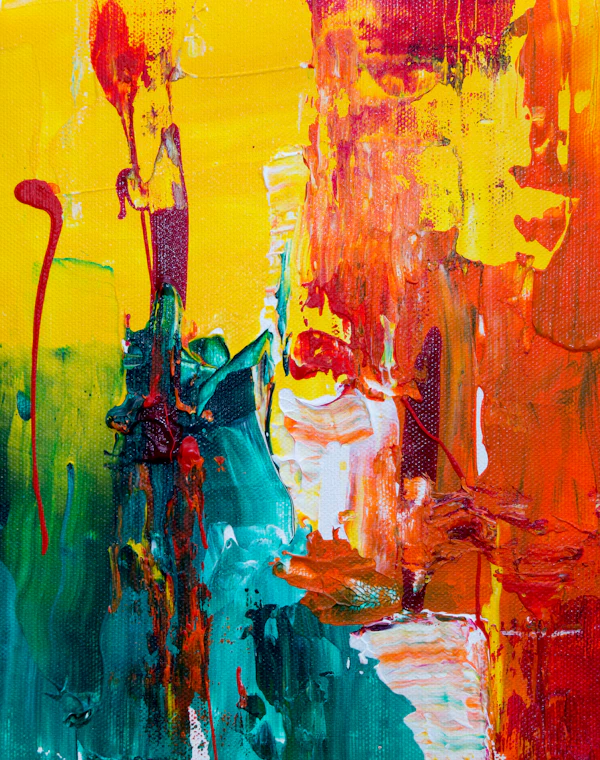
Local and international artists have created large-scale murals celebrating Dubai’s multicultural identity, the area’s historical heritage, and themes of unity and diversity. The street art trail starting from Satwa Roundabout has been featured in Time Out Dubai, Condé Nast Traveller Arabia, and various art publications. Walking tours of Satwa’s murals are offered by cultural organisations and typically start from or pass through the roundabout.
Transportation and Accessibility
Satwa Roundabout is one of the most accessible locations in Dubai, served by virtually every mode of urban transport available in the emirate.
The Red Line’s Al Jafiliya Station is the closest metro stop. From there, Satwa Roundabout is a 10–12 minute walk through residential streets, or a 5-minute taxi ride.
Multiple RTA bus routes serve two dedicated stops at the roundabout. Nol Card (the RTA’s contactless smart card) is accepted on all services, with fares starting from AED 1.80.
RTA taxis are readily available at the roundabout at all hours. Uber and Careem pickups are also easy to arrange, with drop-off points clearly marked near the bus stops.
Dedicated cycle tracks and improved pedestrian infrastructure around Satwa Roundabout make walking and cycling viable during cooler months (October–April).
Residential Life in Satwa
Satwa remains one of the most sought-after neighbourhoods for mid-income residents in Dubai, offering a quality of life that far exceeds what the rental costs might suggest. The area’s residential character is defined by its low-rise apartment buildings, community-oriented streets, and the constant hum of daily life that newer developments in Dubai have yet to replicate.
Studio apartments in Satwa typically range from AED 25,000–40,000 per year, making them among the most affordable in central Dubai. One-bedroom apartments are available from AED 40,000–60,000 annually — less than half the cost of equivalent units in Downtown or Jumeirah Beach Residence. This affordability, combined with the neighbourhood’s walkable character and proximity to Sheikh Zayed Road, makes Satwa particularly popular with young professionals, hospitality workers, and families new to Dubai.
Nearby Attractions
Beyond the immediate Satwa district, the roundabout’s central location makes it an ideal base for day trips and evening excursions to Dubai’s most celebrated attractions.
Urban Development and Modern Improvements
In alignment with Dubai’s Urban Master Plan 2040, Satwa Roundabout and its surrounding district are undergoing a carefully managed programme of infrastructure upgrades and urban renewal that aims to enhance liveability while preserving cultural heritage.
Why Satwa Roundabout Dubai Remains Important
In an era when Dubai is synonymous with ultra-luxury, record-breaking towers, and artificial islands, Satwa Roundabout stands as something genuinely rare: a human-scale, community-driven, historically rooted landmark that tells the city’s real story.
Satwa Roundabout is important for the following reasons: it serves as an urban anchor for one of Dubai’s oldest communities; it functions as a transit hub that keeps the city’s lower-income workforce mobile; it preserves cultural diversity in a city that is rapidly homogenising; and it provides an authentic experience that no planned tourist attraction can manufacture. For planners, historians, travellers, and everyday residents, Satwa Roundabout is an irreplaceable piece of Dubai’s urban fabric.
Conclusion
Satwa Roundabout Dubai is far more than an intersection of roads. It is a living, breathing intersection of cultures, histories, cuisines, and human stories. From its origins in the 1970s as a simple traffic junction, it has grown into one of Dubai’s most important community anchors — a place where the old Dubai and the new Dubai coexist, where a Sri Lankan family and an Emirati family and a Lebanese merchant can all call the same neighbourhood home.
Whether you are visiting to navigate the city, explore its food scene, trace its history, or simply understand what Dubai looks like beyond the postcard — Satwa Roundabout is your destination. Come with an appetite, an open mind, and comfortable shoes. You will leave with stories worth telling.
Ready to Explore Satwa Roundabout?
Get directions, find nearby hotels, discover the best restaurants, and plan your visit to one of Dubai’s most authentic landmarks.
Frequently Asked Questions
Everything you need to know about Satwa Roundabout Dubai — answered clearly and concisely.