Delight Self Storage and the Smart Way to Handle Personal Storage Dubai

Most renters in Dubai make the same first move: they sort the options by monthly price and stop there. That single shortcut drives the bulk of storage regret in the emirate, from heat-warped furniture to contracts that outlive the need behind them. The smarter path treats personal storage Dubai as a set of measurable standards of climate, security, size, and contract terms instead of one number to push down. What follows is each standard, and the operator logic that turns a rental into a controlled decision.
What is the smart way to handle personal storage in Dubai?
The smart way is to qualify a facility on climate control, security, contract flexibility, and location before you compare price. Sort by price first and you routinely land on a unit that fails the conditions that actually preserve value, which turns a low rate into a net loss once belongings start to degrade.
Demand comes from four groups, and they store very different things: expatriates relocating abroad, families bridging a villa move, students holding belongings over summer, and small businesses parking overflow inventory. The item profiles differ; the qualifying standards do not.
Sequence matters more than any single feature. Confirm environmental control first, verify security second, read the contract third, and let price break the tie among whatever facilities already clear those three. That order strips out the trade offs price first, shopping quietly forces onto your belongings.
Why does climate control define smart storage in Dubai?
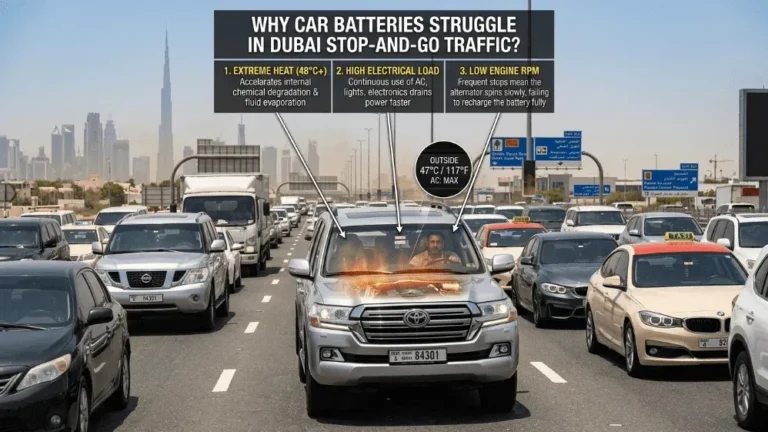
Climate control comes first because Dubai’s heat turns an ordinary unit into a slow source of damage. The National Center of Meteorology records 45°C outdoors in July and August, and a sealed, non-cooled unit runs hotter still, often 50–60°C inside, while summer humidity pushes past 90%.
Those conditions degrade six common categories: wooden furniture warps and cracks, leather dries and splits, electronics fail at the battery and board, photographs discolour, documents turn brittle, and fabric yellows. The heaviest losses cluster between May and September, and almost all of them are preventable.
The fix is a unit held at the Dubai standard 20–25°C, humidity under 55%, running every hour rather than during office hours alone. Delight Self Storage runs climate-controlled facilities in Dubai Investments Park built to hold that band year-round, which carries stored furniture, appliances, and documents through the summer peak. That capability is what separates a facility engineered for the local climate from one that simply rents out unconditioned space, and it’s why climate control sits at the top of the qualifying list instead of the bottom.
What security standards should smart storage meet?
Smart storage meets seven security standards in line with Dubai Police Security Systems Department requirements: 24/7 CCTV, individual unit alarms, biometric or PIN access, gated perimeter fencing, on-site personnel, fire suppression, and contents insurance. A serious facility supplies all seven as standard, not as paid upgrades.
Camera specification is where verified security parts ways with the nominal kind. A serious operator records at 1080p with at least 16 cameras per 10,000 square feet, while a weaker one offers low-resolution coverage from a single angle. Individual alarms and a unique PIN seal each unit to one holder, and Dubai Police–approved personnel cover the floor in person. Insurance is the rarest standard of the seven, built in by a minority of UAE providers up to AED 5,000 and charged as an add-on by the rest.
How much does personal storage in Dubai cost?
Personal storage in Dubai runs AED 99 to AED 4,000 per month, set by unit size, climate control, and contract length. Climate control adds 20–30%, a six- or twelve month contract trims 5 –15% off the monthly rate, and most facilities want a deposit equal to one month’s rent up front.
The table below maps Dubai market average pricing for climate-controlled personal storage across five unit sizes, with the household volume each one holds:
| Unit Size | Approx. Floor Area | Monthly Range (AED) | Holds |
| Locker | 10 sq ft (≈1 m²) | 99–199 | 20 document boxes, seasonal clothing |
| Small | 25 sq ft (≈2.5 m²) | 200–400 | 20 moving boxes, luggage, small furniture |
| Medium | 50 sq ft (≈5 m²) | 400–700 | One-bedroom apartment contents |
| Large | 100 sq ft (≈10 m²) | 700–1,500 | Two-bedroom apartment contents |
| Extra-large | 200–300 sq ft | 1,500–4,000 | Full villa contents |
These figures track climate-controlled rates across Al Quoz, Dubai Investments Park, and Ras Al Khor as of early 2026. Bundled pickup and delivery saves AED 300–800 against hiring separate movers. One all-in rate signals a smart provider; a low base rate with stacked add-ons signals the opposite.
How do you size a personal storage unit correctly?
Correct sizing measures total item volume in cubic meters, then adds 20% for access pathways. Undersize it and you’re forced into a second unit or a mid-contract upgrade; oversize it and you pay for empty air every month.
Taking furniture apart before storage cuts the space it occupies by 40–60%. A broken-down king-size bed frame fills roughly half the floor of an assembled one, which shifts a household from a Large unit down to a Medium and lowers the monthly rate directly often enough to fund the entire climate-control premium on its own.
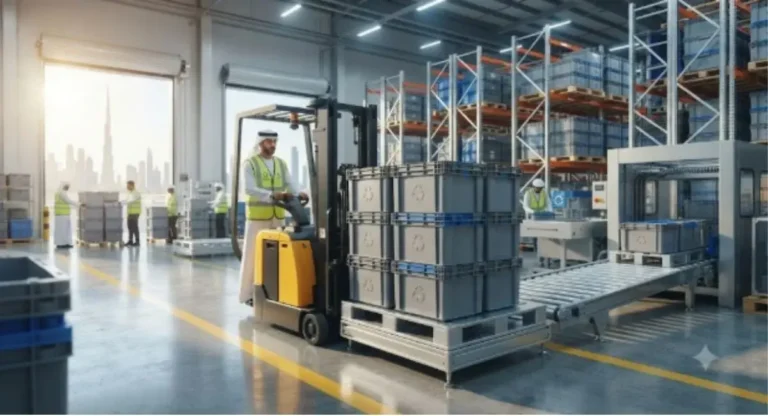
Per cubic meter, self-storage costs three to four times more than warehouse storage: roughly AED 60–150 per cubic meter monthly against AED 25–40 for a warehouse. That premium buys three things: private dedicated space, self directed 24/7 access, and no shared handling which justify the rate below 25 cubic meters. Past that volume, a warehouse wins on total cost.
Which items require special handling?
Climate-controlled handling is mandatory for seven heat- and humidity-sensitive categories: wooden furniture, leather goods, electronics, original documents, photographs, artwork, and musical instruments. Each degrades past recovery above 40°C or below 40% humidity.
Ambient units suit the resilient items metal tools, outdoor equipment, sealed plastic containers, and shrink-wrapped commercial stock and cooling that adds cost for no protective return.
A few things need custody rather than storage. Jewellery, cash, passports, and original legal records belong in a vault, not a rented unit. Hard drives and laptops need a verified backup beforehand, because climate control eases environmental stress but does nothing against a drive that fails, a lost password, or impact.
What contract terms protect a smart renter?
Smart contract terms protect flexibility through five clauses: unit number, monthly rent, access hours, notice period, and prohibited items. The notice period runs 7 to 30 days and decides how fast a tenant exits without penalty; a shorter one signals a provider built for relocation heavy demand.
The prohibited-items clause protects everyone in the building. Between UAE law and facility policy, eight categories are barred: flammable liquids, explosives, weapons, toxic or radioactive substances, perishable food, live plants or animals, illegal goods, and unsecured cash or valuables. Store one and you void the insurance and end the contract.
Access hours follow the storage purpose: month-to-month terms for needs under six months, annual contracts above twelve at a lower monthly rate, and 24/7 access for anything retrieved on short notice. Delight Self Storage supports these standards through climate-controlled facilities in Dubai Investments Park, monitored 24/7 access, flexible contract lengths, and coverage across the UAE.
Handling personal storage in Dubai the smart way rewards the renter who qualifies climate, security, sizing, and contract terms ahead of price. The 20–25°C threshold, the seven-standard security spec, correct cubic-meter sizing, and a flexible notice period turn storage from a price gamble into a controlled decision and keep furniture, electronics, and documents intact through every Dubai summer.
Disclaimer: The information provided in this article is for general informational and educational purposes only and does not constitute professional storage, legal, or financial advice. Storage unit prices, availability, and facility specifications are subject to change; readers should verify details directly with providers. The author and publisher disclaim all liability for any damage to stored belongings, contract disputes, or financial decisions arising from reliance on this content. Always inspect a storage facility in person and read contract terms carefully before renting. This article does not endorse any specific storage company. Climate and security requirements may vary by individual needs and the nature of stored items.
Explore fresh content that brings value—start reading and climb higher without looking back.