
A Breed-by-Breed Guide to Dog Grooming Needs in Abu Dhabi
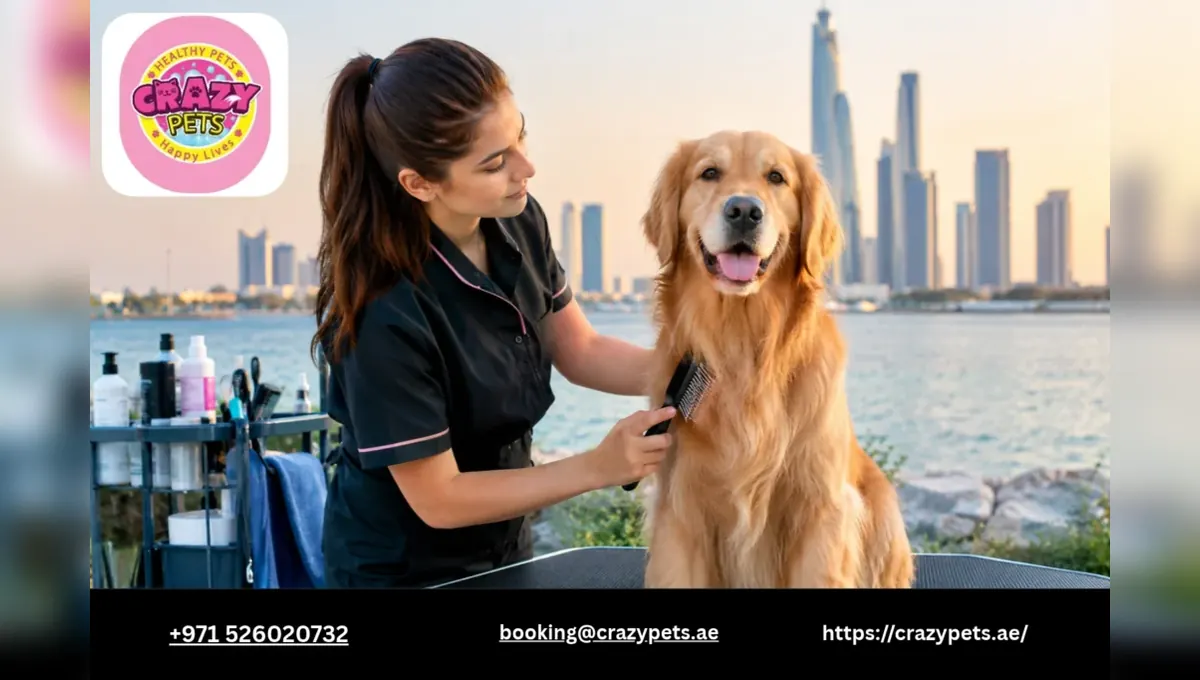
Dog grooming needs vary by breed, coat type, skin condition, lifestyle, and exposure to Abu Dhabi’s hot climate, so there is no one grooming routine that suits every dog. Double-coated breeds require careful brushing and undercoat management rather than shaving, while long, curly, or continuously growing coats may need more frequent brushing and trimming to prevent matting and skin problems.
Professional grooming should focus on maintaining coat health, managing shedding, checking the skin, and using breed-appropriate techniques rather than appearance alone. For owners seeking dog grooming in Abu Dhabi, the focus should be on choosing grooming methods that suit the breed and help maintain a healthy, comfortable coat throughout the year.
Why Grooming Needs Differ by Breed in Abu Dhabi
Grooming needs vary by breed because coat type, not size, determines how a dog handles heat, sand, and humidity. Double-coated breeds need de-shedding instead of shaving, curly coats need regular clipping to avoid matting, and short-haired breeds need less coat work but more skin care.
In Abu Dhabi’s climate, matching grooming to coat type is the difference between a comfortable dog and an overheated one.
Double-Coated Breeds: Huskies, Golden Retrievers, German Shepherds
Double-coated breeds are common among Abu Dhabi residents who grew up with them abroad, but the local climate puts real pressure on that coat type. These dogs have two layers: a soft undercoat for insulation and a coarser topcoat for protection.
In colder regions, a dense double coat provides natural insulation, but Abu Dhabi’s heat makes regular undercoat management essential. Rather than shaving the coat, a professional pet grooming service in Abu Dhabi can use proper de-shedding techniques to remove loose undercoat while maintaining the coat’s natural protective function.
- Grooming frequency: Every 3 to 4 weeks, more often during shedding season
- Common issues: Overheating, hot spots, heavy shedding indoors
- Care tips: Never shave a double coat — it disrupts natural insulation and can lead to sunburn or improper regrowth. Ask for a de-shedding treatment instead, which removes loose undercoat without damaging the topcoat.
Short-Haired Breeds: Boxers, Beagles, Labradors
Short-haired breeds handle Abu Dhabi’s heat better than most, but “low maintenance” doesn’t mean “no maintenance.” Their coats shed less obviously, so owners sometimes skip grooming until a skin issue shows up.
- Grooming frequency: Every 6 to 8 weeks, with brushing in between
- Common issues: Dry skin, sunburn on exposed areas, minor irritation from sand
- Care tips: A light brush twice a week keeps skin healthy and catches early signs of irritation. Moisturizing shampoos help counter the dryness that comes with heat and low humidity indoors from air conditioning.
Curly and Wool-Coated Breeds: Poodles, Cockapoos, Bichon Frises
Curly-coated breeds are popular in Abu Dhabi’s apartment-living communities, partly because many are marketed as low-shedding. That’s true, but their coats need far more active upkeep than a Labrador’s ever will.
- Grooming frequency: Every 4 to 6 weeks, without exception
- Common issues: Fast matting, especially around ears and paws, trapped moisture after walks in humid areas
- Care tips: Skipping even one grooming cycle can lead to matting close to the skin, which sometimes requires a full shave-down to fix. Regular clipping on schedule avoids that outcome entirely.
Long-Haired Breeds: Shih Tzus, Yorkshire Terriers, Afghan Hounds
Long, silky coats are elegant, but they’re also some of the highest-maintenance coats to keep in Abu Dhabi’s dusty outdoor conditions.
- Grooming frequency: Every 4 weeks, with daily brushing
- Common issues: Sand and dust caught in long fur, tangling around the legs and belly, eye-area buildup
- Care tips: Daily brushing prevents tangles from setting into full mats. Many owners in Abu Dhabi keep these breeds in a shorter “puppy cut” during summer months to reduce upkeep without losing coat health.
Hairless and Fine-Coated Breeds: Chinese Crested, Whippets
These breeds are less common in Abu Dhabi, but they show up in enough households to deserve a mention, mostly because their grooming needs run in the opposite direction from thick-coated dogs.
- Grooming frequency: Every 2 to 3 weeks, focused on skin rather than coat
- Common issues: Sunburn, dry or cracked skin, higher risk of heat exposure with no coat protection
- Care tips: Sunscreen made for dogs and light protective clothing during peak sun hours matter more here than for any other breed group.
Grooming Frequency by Breed Type: Quick Comparison
| Coat Type | Example Breeds | Grooming Frequency | Biggest Local Risk |
|---|---|---|---|
| Double-coated | Husky, Golden Retriever, German Shepherd | Every 3–4 weeks | Overheating, hot spots |
| Short-haired | Boxer, Beagle, Labrador | Every 6–8 weeks | Dry skin, sunburn |
| Curly/wool | Poodle, Cockapoo, Bichon Frise | Every 4–6 weeks | Fast matting |
| Long-haired | Shih Tzu, Yorkshire Terrier, Afghan Hound | Every 4 weeks | Sand tangling, matting |
| Hairless/fine | Chinese Crested, Whippet | Every 2–3 weeks | Sunburn, dry skin |
What Vets and Groomers Say About Coat-Specific Care
Veterinary and grooming professionals consistently point to one rule above all others: never shave a double-coated breed to “help” with heat. The undercoat actually acts as insulation against both heat and cold, and shaving it can disrupt hair growth, sometimes permanently, while increasing the risk of sunburn on exposed skin.
This guidance shows up across veterinary dermatology resources and is echoed by professional groomers working in hot climates like the Gulf. It’s one of the most common mistakes well-meaning owners make, and one of the easiest to avoid once you know the coat type you’re working with.
For residents unsure which category their dog falls into, or how to translate that into a grooming schedule, the team at Crazy Pets can assess the coat and recommend a grooming routine based on the dog’s breed, coat condition, and lifestyle. This takes the guesswork out of breed-specific grooming.
Getting It Right for Mixed-Breed Dogs
Not every dog fits neatly into one category. Mixed-breed and rescue dogs, like Amira’s Husky mix down the street, often carry traits from two or three coat types at once. In these cases:
- Start with a groomer assessment rather than guessing based on appearance alone.
- Watch the undercoat closely during the first few months, since mixed coats can behave unpredictably in heat.
- Adjust frequency gradually based on how fast matting or shedding shows up, rather than sticking to a fixed schedule from day one.
FAQ: Breed-Specific Dog Grooming in Abu Dhabi
Q: Should I shave my double-coated dog to keep it cool in summer?
A: No. Shaving a double coat removes its natural insulation and increases the risk of sunburn and improper regrowth. De-shedding treatments are the safer, more effective option.
Q: How do I know what grooming frequency my mixed-breed dog needs?
A: A professional groomer can assess your dog’s coat type in person and recommend a schedule. Mixed coats often need closer monitoring in the first few months.
Q: Which breeds struggle most with Abu Dhabi’s climate?
A: Double-coated breeds like Huskies and German Shepherds tend to struggle most with heat, since their coats are built for cold climates. Hairless breeds face the opposite problem, with a higher sunburn risk.
Q: Do curly-coated breeds really need grooming every month?
A: Yes. Skipping cycles allows mats to form close to the skin, which often means a full shave-down is needed to fix it, so staying on schedule is easier in the long run.