Getting Around Satwa: Buses, the Metro and Everyday Travel in One of Dubai’s Oldest Neighbourhoods
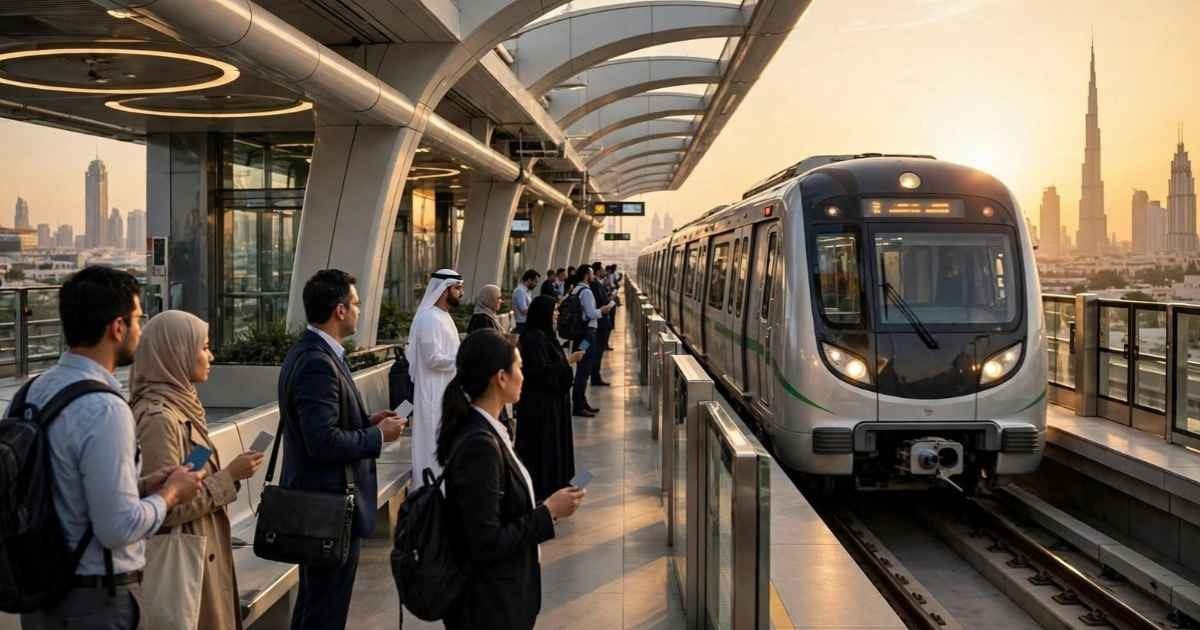
Some Dubai neighbourhoods were built for postcards. Satwa was built for real life. Wedged between Al Wasl Road and Sheikh Zayed Road, this dense, lived-in district of villas, cafeterias, tailors and small groceries is where thousands of the city’s workers actually live — and getting around from here is a daily routine that runs on buses, the Metro and one small transport card.
If you are new to the area, or you have lived here for years and never quite organised your commute, this is how Satwa moves.
A Neighbourhood That Runs on Public Transport
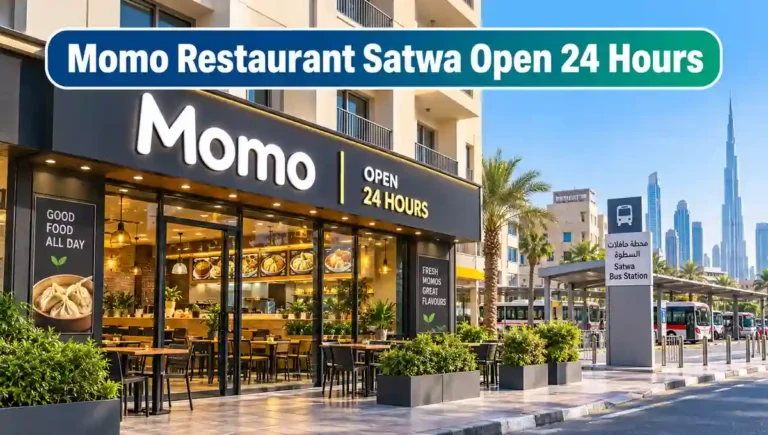
Satwa is one of the best-connected pockets of old Dubai. The Satwa bus station is a genuine hub, with routes fanning out towards Jebel Ali, Al Barsha, Jumeirah, Deira and the Al Fahidi side of the creek. Along 2nd December Street and Satwa Road, bus stops are never more than a few minutes’ walk away, and services run from early morning until late at night.
For longer journeys, the World Trade Centre Metro station on the Red Line is within walking distance of most of Satwa. From there, the whole city opens up — Deira and the airport in one direction, Business Bay, Mall of the Emirates and Dubai Marina in the other. Many residents combine the two: a short bus ride to the station, then the Metro across town, which is exactly the kind of multi-leg trip Dubai’s transport card was designed for.
Everyday Life Between the Stops
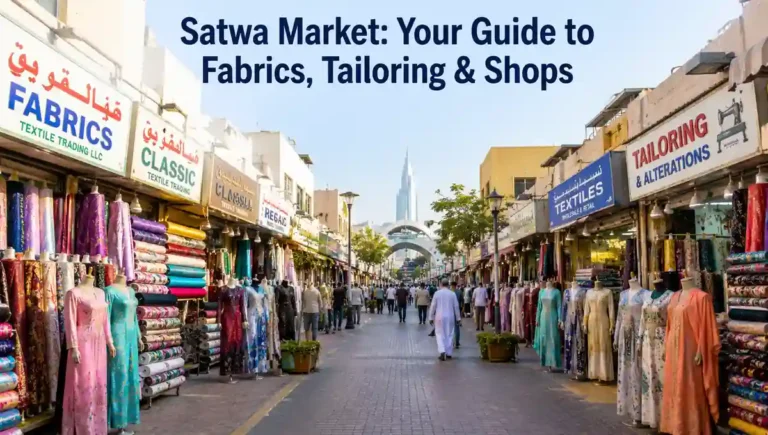
Transport is only half the reason people stay in Satwa. The other half is that almost everything daily life needs sits within a few streets. The cafeterias along Satwa Road serve full meals at prices the newer districts cannot match, which is why taxi drivers, office staff and labourers all end up at the same counters at lunchtime. The tailoring shops near the roundabout are a Dubai institution in their own right — residents travel across the city to have clothes stitched or altered here, often within a day.
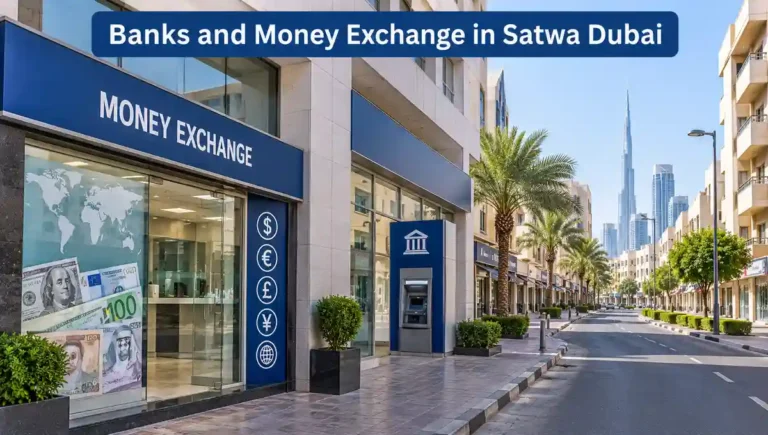
Rents tell the same story. Rooms, bed spaces and small apartments in Satwa remain among the most affordable in central Dubai, which keeps the neighbourhood full even as towers rise around it. Supermarkets stay open late, small clinics and pharmacies line the main streets, and money exchanges, mobile shops and barbers fill the gaps in between. It is not polished, and it does not try to be — it is a working neighbourhood that runs on convenience.
That mix is also why the buses here are never empty. Satwa is home to people who work everywhere else: hotel staff heading to the Palm, retail workers bound for the malls, office assistants crossing to Media City. The morning crowds at the bus station are, in a sense, Dubai’s workforce in miniature.
The Landmark Everyone Navigates By
Ask anyone in Satwa for directions and the reference point is almost always the same: the Al Satwa Big Mosque, the large white mosque near the Satwa roundabout whose minarets are visible from most of the surrounding streets. It is the neighbourhood’s best-known landmark, a centre of daily community life, and the point from which locals describe almost every other location — “two streets behind the big mosque” is a complete address in Satwa terms.
The streets around it hold the district’s character in miniature: affordable cafeterias serving workers from a dozen countries, fabric shops and tailors famous across the city, and grocery stores that stay open long after the malls have closed. If you want to understand how everyday Dubai actually lives, an evening walk around this part of Satwa tells you more than any observation deck.
The Card That Makes It All Work
Every bus and Metro journey in Satwa runs on the NOL card, Dubai’s unified transport card issued by the RTA. One card covers the Metro, buses, the tram, marine transport and even RTA paid parking.
Most Satwa commuters use the Silver card, which charges distance-based fares across all zones. The Gold card adds access to the Metro’s premium cabin. The Blue card is registered to your name — worth having if you rely on the card daily, because it protects your balance if the card is lost, and it is the only card that qualifies for student, senior and people-of-determination discounts. The paper Red ticket suits one-off trips only.
One habit saves more embarrassment than any other: keeping a buffer on the card. The system requires a minimum balance higher than the cheapest fare before it lets you tap in, so a card that looks “almost empty but not quite” can still reject you at the gate during the morning rush. Regulars learn how to check your nol card balance before leaving home — it takes seconds through the RTA website or app using the card’s tag ID, at any Metro station machine, or at the top-up terminals in supermarkets and petrol stations around the neighbourhood.
Making the Money Go Further
Fares are charged by zones crossed, so the same journey can cost noticeably different amounts depending on your route. A bus-only trip inside one zone is the cheapest way to move; crossing two or three zones on the Metro steps the price up, though a daily cap stops heavy travel days from running away with your budget.
If you travel every day, the monthly passes available on Silver and Blue cards usually beat pay-as-you-go over a full month. Topping up is easiest at station machines, which take cash and cards, or at the authorised retailers scattered through Satwa itself. Online top-ups through the RTA app are convenient but can take a while to reach the card, so they are best done the night before rather than at the gate.
Small Habits of Satwa Commuters
Travel just outside the sharpest peaks — roughly before 7am or after 9am, and before 5pm in the evening — and the same journey feels like a different city. Keep your card in the same pocket every day; fumbling at the gate holds up the whole queue behind you. And if your route involves the bus station at prayer times or on Friday afternoons, add a few minutes: the whole neighbourhood’s rhythm shifts, and the buses fill accordingly.
Satwa rewards people who learn its patterns. Master the bus station, the walk to the Metro and the small discipline of a topped-up card, and this old, busy corner of Dubai becomes one of the easiest places in the city to live without a car.