
How to Choose the Right Air Conditioning System for Homes and Businesses in Dubai
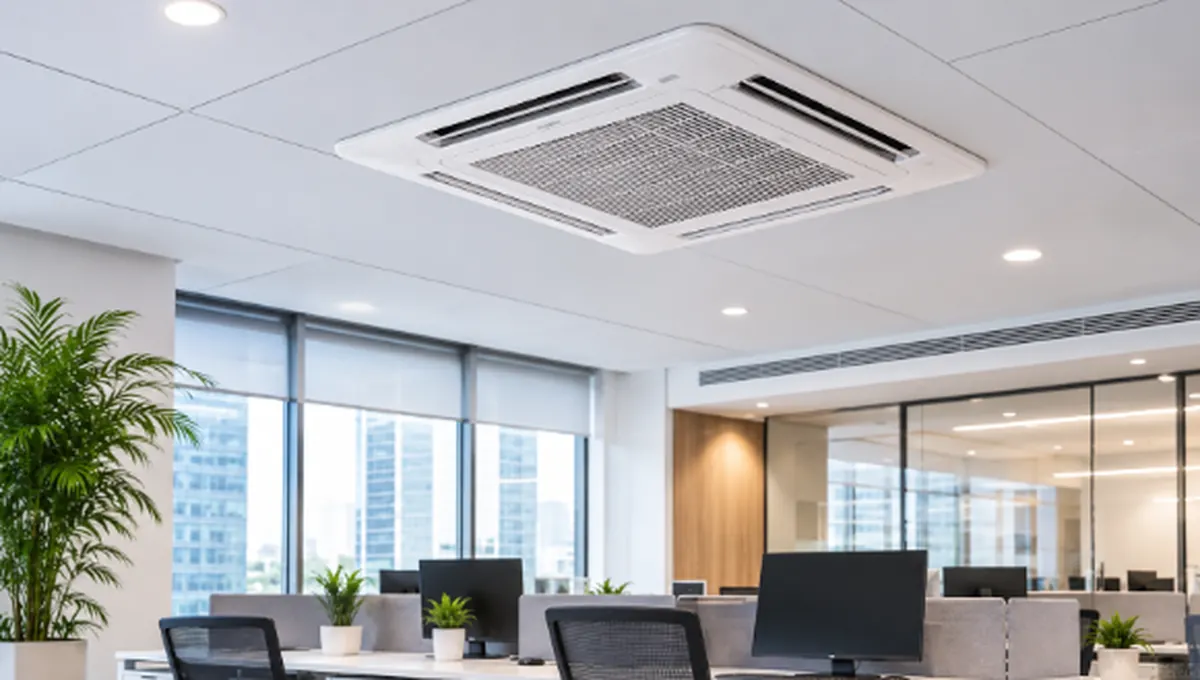
Dubai’s climate makes air conditioning an essential part of everyday life. With extremely high outdoor temperatures during summer, choosing the right cooling system is important for maintaining indoor comfort, managing electricity consumption, and ensuring reliable performance throughout the year.
However, selecting an air conditioner involves more than simply choosing a popular brand or the cheapest available model. Factors such as room size, building design, insulation, cooling requirements, and installation quality all influence the overall performance of an AC system.
For homeowners, property managers, and business owners, understanding these factors can make it easier to select an air conditioning solution that meets their specific needs.
Understanding Dubai’s Air Conditioning Requirements
The climate in Dubai creates unique challenges for residential and commercial cooling systems. Air conditioners often operate for extended periods, particularly during the hottest months of the year.
High outdoor temperatures, humidity, and direct sunlight can increase indoor cooling requirements. Consequently, choosing an appropriately sized air conditioning unit is essential.
A system with insufficient cooling capacity may struggle to maintain comfortable temperatures, while an oversized unit may experience inefficient operating cycles.
Before purchasing an air conditioner, consider the following factors:
- Total room or building area.
- Ceiling height and room layout.
- Number and size of windows.
- Direct sunlight exposure.
- Insulation quality.
- Number of occupants.
- Heat generated by electrical equipment.
Considering these elements helps determine the appropriate cooling capacity and system configuration.
Why Choosing the Right AC Brand Matters
Air conditioner brands differ in their product ranges, technology, cooling capacities, and available configurations. Selecting a suitable manufacturer can influence long-term reliability, maintenance requirements, and overall comfort.
O General is one of the air conditioning brands available in the UAE market, offering different types of cooling systems for residential and commercial applications.
Consumers researching O General ac can explore different air conditioning options and compare available systems according to their property requirements.
When evaluating an air conditioner, buyers should pay attention to:
- Cooling capacity and operating performance.
- Energy efficiency ratings.
- Noise levels during operation.
- Available product configurations.
- Warranty conditions.
- Availability of maintenance and replacement parts.
These considerations help buyers make informed purchasing decisions instead of choosing equipment based solely on its initial price.
Different Types of Air Conditioning Systems for Dubai Properties
Not every property requires the same type of air conditioning system. Apartments, villas, offices, retail outlets, and larger commercial buildings have different cooling requirements.
Understanding the main AC configurations can help property owners identify an appropriate solution.
1. Split Air Conditioning Systems
Split air conditioners are commonly used in apartments, bedrooms, living rooms, and smaller commercial spaces.
They generally consist of an indoor unit and an outdoor compressor unit. Their relatively straightforward installation makes them suitable for individual rooms where independent temperature control is required.
When selecting a split AC, consider its cooling capacity, room dimensions, installation requirements, and energy efficiency.
2. Ducted Air Conditioning Systems
Ducted systems are often suitable for villas, offices, and larger properties requiring cooling across multiple rooms.
These systems distribute conditioned air through a network of ducts connected to different spaces. Their concealed design can also provide a cleaner interior appearance.
However, ducted air conditioning requires proper planning, including duct sizing, airflow calculations, insulation, and installation design.
3. Cassette Air Conditioning Systems
Cassette AC units are generally installed within suspended ceilings and distribute conditioned air across the surrounding space.
They are frequently considered for commercial environments such as retail shops, offices, restaurants, and other establishments.
Their ceiling-mounted configuration can help maintain usable wall space while providing cooling across open areas.
4. VRF Air Conditioning Systems
Variable Refrigerant Flow (VRF) systems are designed for properties with more complex cooling requirements.
They can connect multiple indoor units to an outdoor system, allowing different areas to have individual temperature settings.
VRF systems may be suitable for larger offices, commercial buildings, hotels, and multi-zone properties where flexible temperature management is important.
Why Professional AC Selection and Installation Are Important
Purchasing a suitable air conditioner is only one part of achieving effective indoor cooling. Professional installation also plays an important role in system performance.
Incorrect installation can contribute to refrigerant leakage, poor airflow, drainage problems, and unnecessary energy consumption.
A professional installation process should generally include:
- Site inspection: Assess the property’s layout, cooling requirements, and installation conditions.
- Capacity calculation: Determine the appropriate cooling capacity based on the property’s characteristics.
- Equipment selection: Choose an AC configuration that meets the property’s requirements.
- Installation planning: Evaluate pipe routing, electrical connections, drainage, and ventilation.
- System testing: Check cooling performance, airflow, drainage, and operating conditions.
- Customer guidance: Explain basic operation, filter cleaning, and recommended maintenance.
Property owners looking for an experienced O General ac supplier in Dubai can explore available air conditioning products and installation solutions before making a purchasing decision.
Comparing product options, installation requirements, and warranty coverage can help avoid unnecessary expenses later.
How to Improve Air Conditioning Efficiency in Dubai
Even a suitable air conditioning system may consume more electricity than necessary if it is not operated or maintained correctly.
Fortunately, several practical measures can help improve cooling efficiency.
Maintain Air Filters Regularly
Dust accumulation in air filters can restrict airflow and affect cooling performance. Cleaning or replacing filters according to manufacturer recommendations helps maintain proper airflow.
Keep Doors and Windows Closed
Unnecessary air exchange with the outdoor environment increases the cooling load. Keeping doors and windows closed while the AC operates helps maintain indoor temperatures.
Improve Room Insulation
Proper insulation reduces heat transfer from outside. Sealing gaps around windows and doors can also help prevent unwanted warm air from entering indoor spaces.
Use Appropriate Temperature Settings
Setting an excessively low temperature does not necessarily cool a room faster. Choosing a comfortable temperature and avoiding unnecessary adjustments can support more efficient operation.
Schedule Preventive Maintenance
Regular maintenance allows technicians to identify potential issues before they develop into major problems.
Depending on the system and manufacturer recommendations, maintenance may include filter cleaning, coil inspection, drain cleaning, electrical checks, and refrigerant system assessment.
Common Mistakes to Avoid When Buying an Air Conditioner
Many property owners focus primarily on price when purchasing an AC unit. Although budget is important, overlooking other factors can result in poor long-term value.
Here are some common mistakes to avoid:
Choosing the wrong capacity: An unsuitable cooling capacity can affect comfort and operating efficiency.
Ignoring installation costs: The total investment may include additional materials, electrical work, piping, and installation labour.
Overlooking warranty conditions: Always understand what the manufacturer or seller covers under the warranty.
Neglecting maintenance: Delayed servicing can contribute to reduced performance and unexpected repair expenses.
Selecting equipment without considering property requirements: A system suitable for a small apartment may not be appropriate for a large villa or commercial building.
Taking time to compare these factors helps ensure that the selected air conditioning system meets both immediate and long-term requirements.
Final Thoughts
Choosing an appropriate air conditioning system in Dubai requires careful consideration of property size, cooling capacity, equipment type, installation quality, and ongoing maintenance.
Whether you are upgrading an existing unit, furnishing a new apartment, or planning cooling solutions for a commercial property, researching different AC configurations can help you make a more informed decision.
By selecting suitable equipment and ensuring professional installation and regular maintenance, property owners can create comfortable indoor environments while supporting reliable air conditioning performance throughout Dubai’s demanding climate.